
For most marketing teams, attribution is the final checkbox before launching a website. It is something you address right before go-live, somewhere between “update the favicon” and “double-check the contact form.”
Scratch that. Most websites launch without any marketing attribution at all.
Marketing teams are juggling a lot: campaign planning, content creation, media buying, and event execution. Attribution often feels like a “back-end” or “technical” step, so it gets pushed to the bottom of the launch checklist.
But here’s the truth: it is actually the most important box to tick.
The Hidden Importance of Marketing Attribution
In B2B and service-based businesses, your website is the place where people ultimately buy. Sure, your brand may live on TikTok, LinkedIn, or in countless other channels, but when someone is ready to take the next step, request a demo, book a consultation, sign up for a service; they almost always land on one place: a form on your website.
You might run dozens of campaigns across social media, email, paid search, and events.
You might invest heavily in creative assets, video production, or influencer partnerships.
You might spend months building brand awareness.
But when that moment of purchase intent happens, the path converges in a single place: the form.
And yet most marketing teams do not think about how to track that final conversion point until it is almost too late.
What Happens To Teams Who Put Attribution Last
When campaigns launch without attribution, reporting becomes archaeology. Someone is left reconstructing intent from partial data, broken links, and CRM fields that say “Web.” Marketing claims a campaign is driving results. Sales says those leads came from their own outreach. Without clean attribution, there is no way to settle the debate.
The result is that decisions about budget and strategy get made on guesswork rather than proof.
What happens to teams who do set up attribution but put it last? They run into other problems.
The UTM Problem Nobody Talks About
Even when teams try to set up attribution, there is a hidden pitfall.
UTM parameters, the little codes you see at the end of URLs, like:
?utm_source=linkedin&utm_medium=social&utm_campaign=q1launch, are rarely standardized across the organization.
These are rarely standardized across the organization.
UTM Parameters, Explained (Quickly)
UTMs are short tags added to a URL that tell you where a visitor came from and why. They’re the connective tissue between a click, a lead, and a sale. They are essential to giving context to conversions.
At minimum, a clean UTM setup includes:
- Source: where the traffic came from (linkedin, newsletter)
- Medium: how it arrived (paid-social, email)
- Campaign: what you were promoting (q1-launch, spring-sale)
- Content (optional): which variation worked (video, carousel)
Consistency is non-negotiable.
They only work if they're captured.
By pushing UTMs into your CRM, you can match spend directly to closed deals.
Having unstandardized UTMs puts you at risk of fragmenting your data. In most analytics tools, “facebook” and “Facebook” and “fb” are counted separately. Different team members create their own naming conventions, so campaign reporting turns into a guessing game. Sales might share links without UTMs at all.
Without clean, consistent UTM usage, your attribution data becomes unreliable, and unreliable data is worse than no data at all.
Why Forms Are the Real Bottleneck
Even if your team creates perfect UTM-tagged links, it is all wasted if your website forms are not set up to capture them.
UTMs live in the URL. When someone clicks a link, the parameters travel with them until they navigate away, refresh, or click on an internal link without UTMs.
If your forms do not automatically grab and store those UTMs at the moment of submission, you lose the source information entirely.
In other words, no matter how clean your UTM strategy is, if your forms are not tracking them, your CRM will have no record of where the lead really came from.
The CRM Gap
Let us say you have managed to create clean UTMs and your forms capture them perfectly. There is still one more critical step: getting that data into your CRM so it can be tied to revenue.
Without that connection, you cannot see how many sales came from a campaign.
This is where the sales–marketing disconnect really bites.
When marketing celebrates a high volume of leads from a campaign, but sales says most of those leads were unqualified, there is no way to know which side is right without CRM attribution.
Why we Built Trakt
I have lived this problem first-hand.
When I was running campaigns for clients, we charged to integrate this attribution model into their workflow.
Every option was either:
- Too expensive.
- Too bloated with features we did not need.
- Split into separate “sales” and “marketing” suites.
- Another interface for teams to log into.
- And worst of all, attribution was buried as an afterthought.
Eventually, we gave up and went back to spreadsheets. But it never felt right watching good campaigns die in attribution purgatory.
I realized the problem was not that we needed more tools.
We needed a way to make attribution automatic so we could capture and standardize data without adding extra work for the people running campaigns or closing deals.
The conclusion became unavoidable: attribution couldn’t rely on discipline. It had to be automatic.
How Trakt Fixes the Attribution Afterthought Problem
Trakt is designed around three core principles:
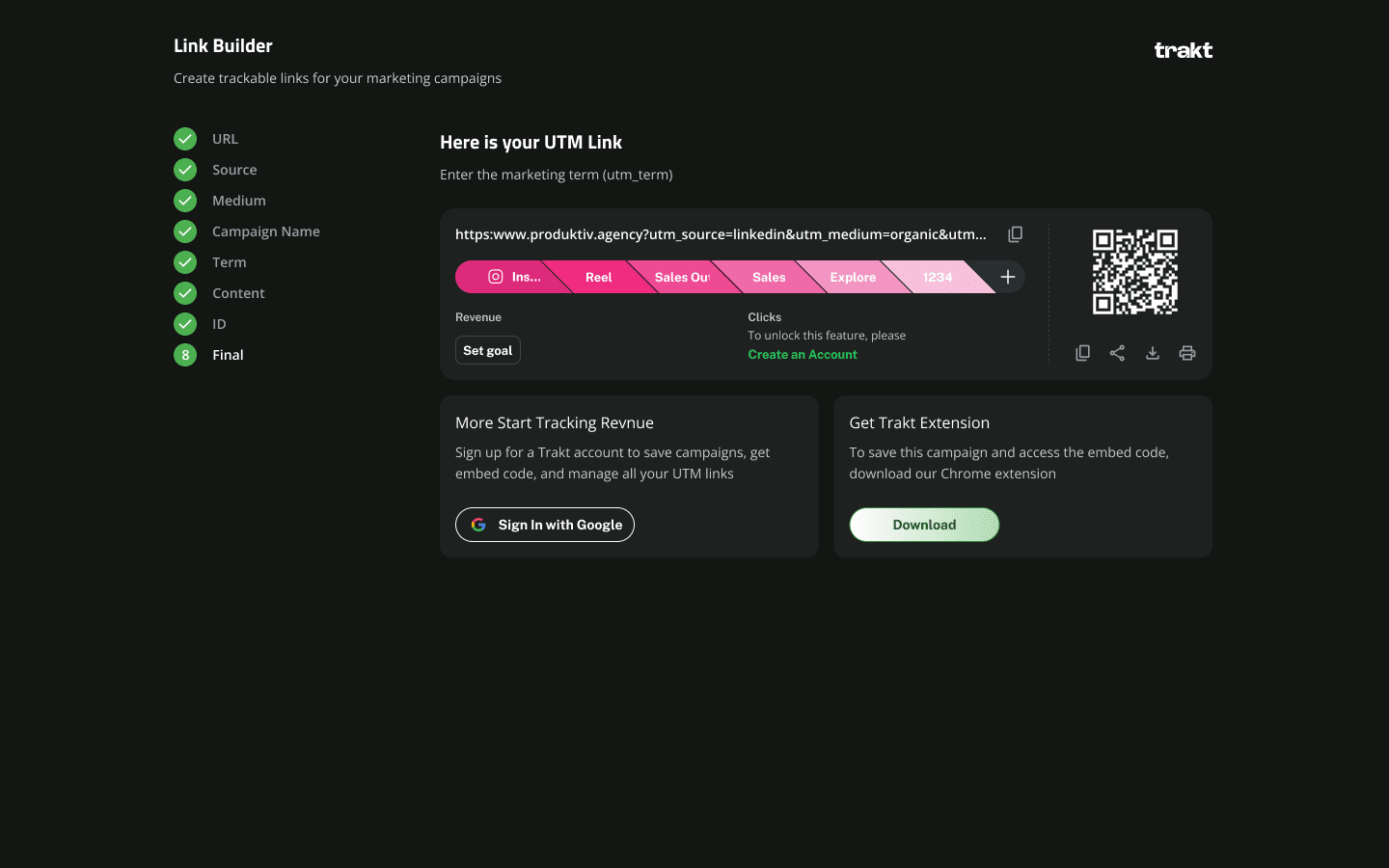
1. Link Sharing Should Be Collaborative
Marketing, sales, and anyone else driving traffic should be using the same clean, standardized links that can be built in seconds.
2. Forms Should Capture Everything Automatically
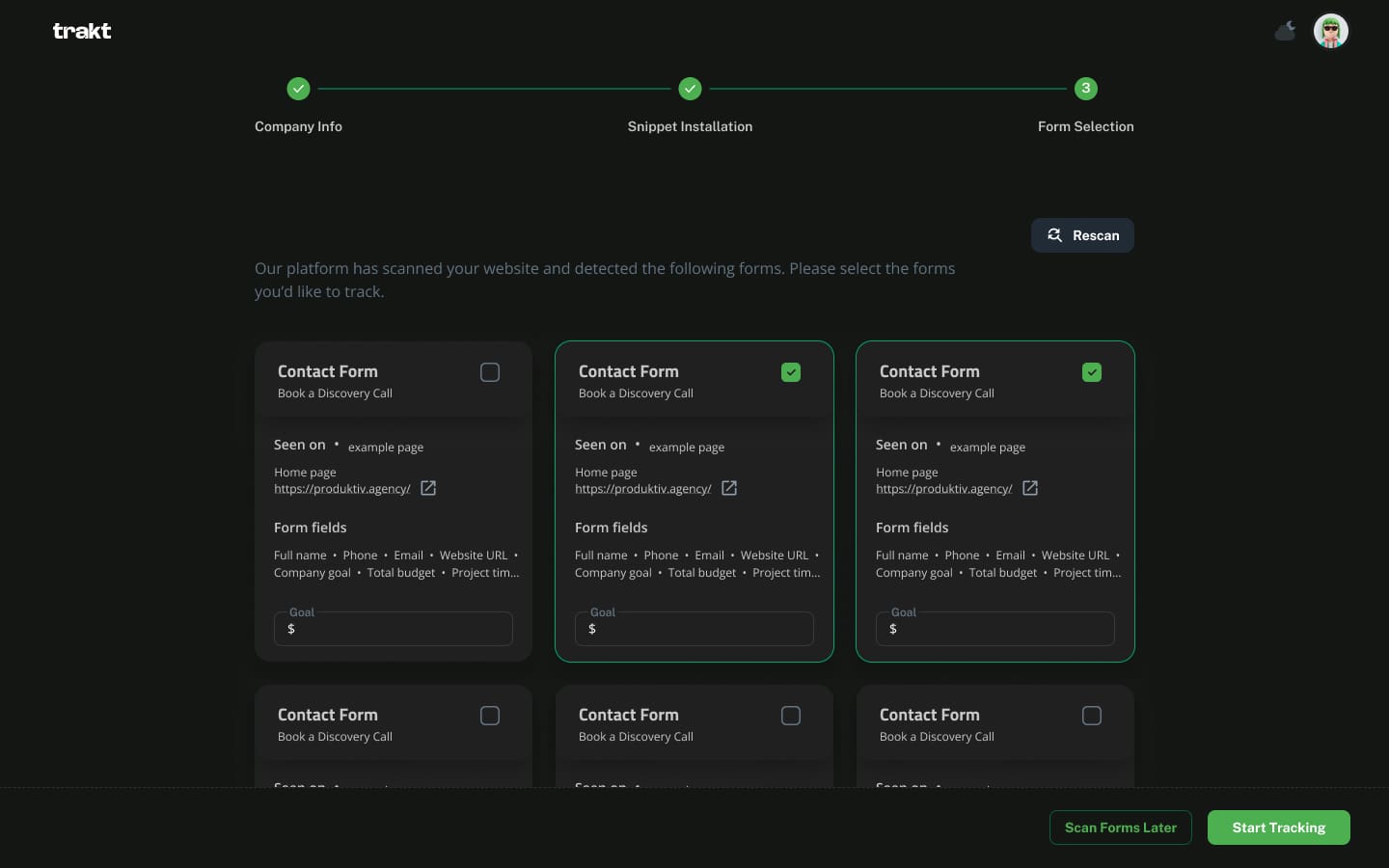
Trakt scans your website and ensures every form is ready to capture UTM parameters without any extra setup.
3. Data Should Flow Directly Into the CRM
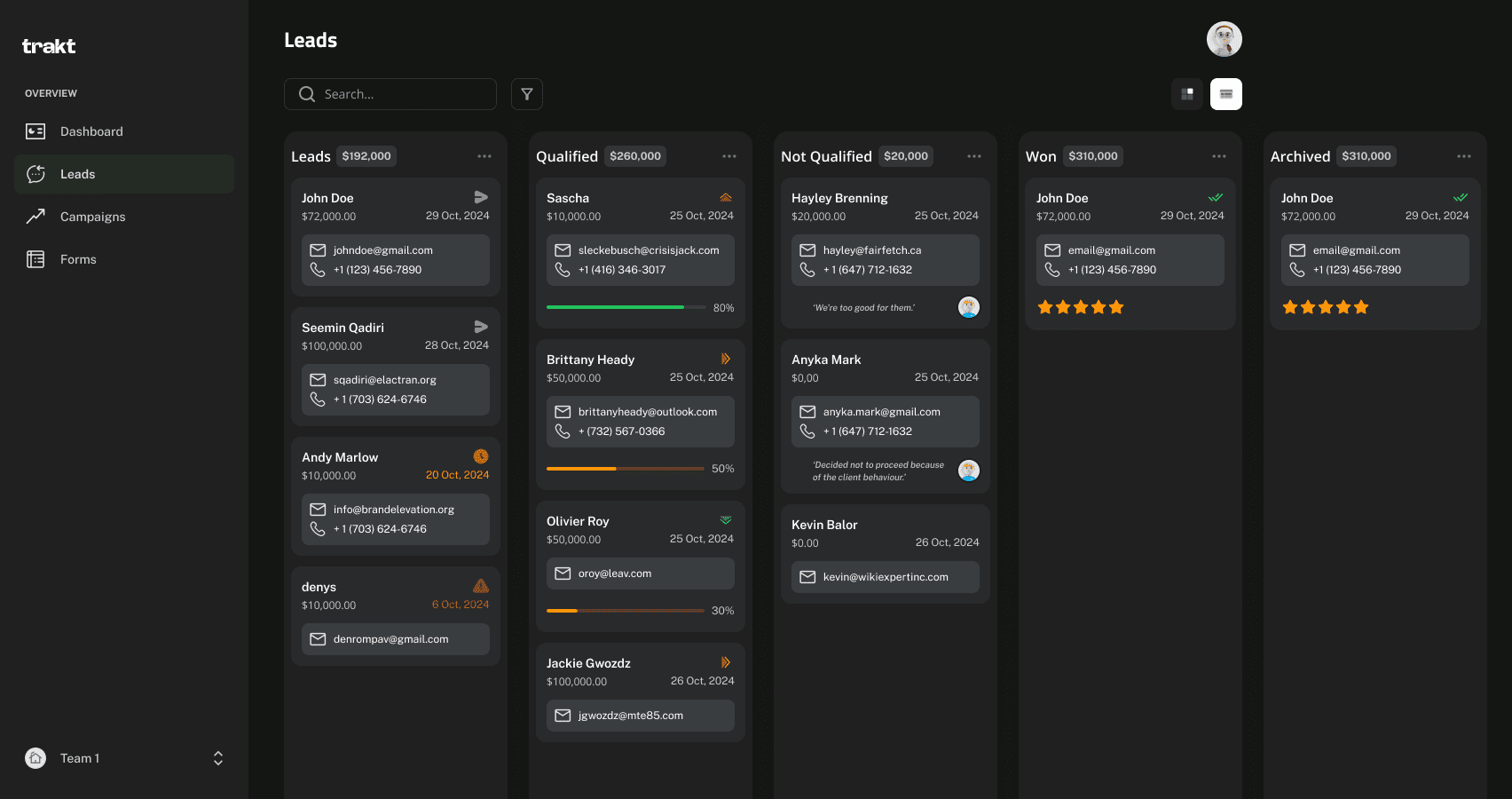
Every lead submission is stored with its full attribution history so when a deal closes, you know exactly which campaign deserves credit.
The Bottom Line
If you cannot tie what you spent or the effort you made to actual sales in your database, you cannot make smart decisions about your ad budget.
Attribution is not a technical afterthought. It is the foundation for scaling your marketing without wasting money.
Teams don’t fail at attribution because they lack tools. They fail because attribution was never designed to survive real workflows.
The good news is that it does not have to be complicated. When link creation is standardized, form capture is automatic, and CRM integration is seamless, attribution becomes something your team does not even have to think about.
That is exactly why we built Trakt, to make clean, reliable attribution the default rather than the last-minute scramble.