
You’re trying to figure out where leads come from, which campaigns actually work, and why half your pipeline feels disconnected from reality.
Instead, you’re buried in tabs, spreadsheets, and mislabeled forms.
That’s not lead tracking. That’s guesswork.
Real lead tracking software exists to eliminate that guesswork. It's the tool you actually need to see what’s driving your bottom line.
In this guide, we’ll break down what lead tracking software really is, why most tools like CRMs miss the mark, and how to pick something that gives you clarity without overwhelming you.
What Lead Tracking Software Actually Does
Let’s start simple.
Lead tracking software is the system that helps you understand how a stranger became a lead and what led them to a “yes.”
At its core, lead tracking software answers four questions: where a lead came from, what influenced their decision, how qualified they are, and what happened after they converted.
If that sounds like your CRM’s job, that’s where the confusion starts.
CRMs store data. They don’t explain it. Instead, they tell you who filled out a form, not how they got there.
Lead tracking software fills that gap. It’s attribution with context. Movement with meaning.
Why Guesswork Kills Revenue
Let’s play this out: Marketing runs 6 campaigns. 200 leads land in the CRM. Sales ignores them. No one knows which campaign worked. Everyone blames everyone. Revenue loses.
Sound familiar?
Good lead tracking software fixes that in four steps:
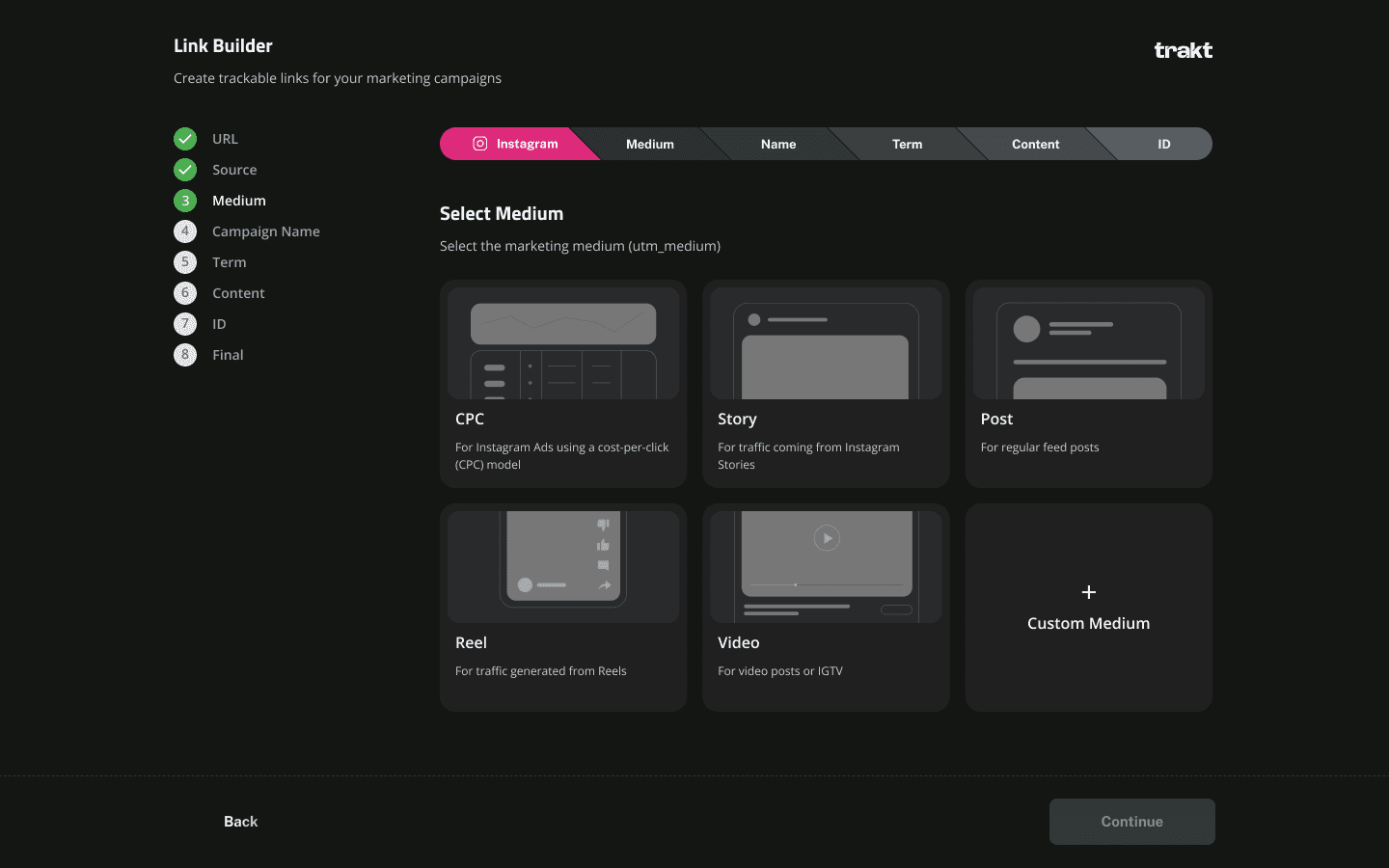
- Tracks first-touch attribution (we’ll cover this more below) with clean UTMs
- Captures lead data directly at the source (the form, not the CRM)
- Lets sales qualify leads via email, Slack, or wherever they live (i.e. integrations)
- Closes the loop between marketing input and sales outcome
Now marketing knows which campaign worked. Sales knows where the lead came from. And you have one clean source of truth. Win, win, win.
Where Attribution Breaks
Here’s the uncomfortable truth: most marketing tools were built to *send, *not track.
Email platforms? Great at campaigns. Analytics tools? Great at traffic. CRMs? Great at logging deals after they happen. But what about the space between click and close? That’s where attribution dies.
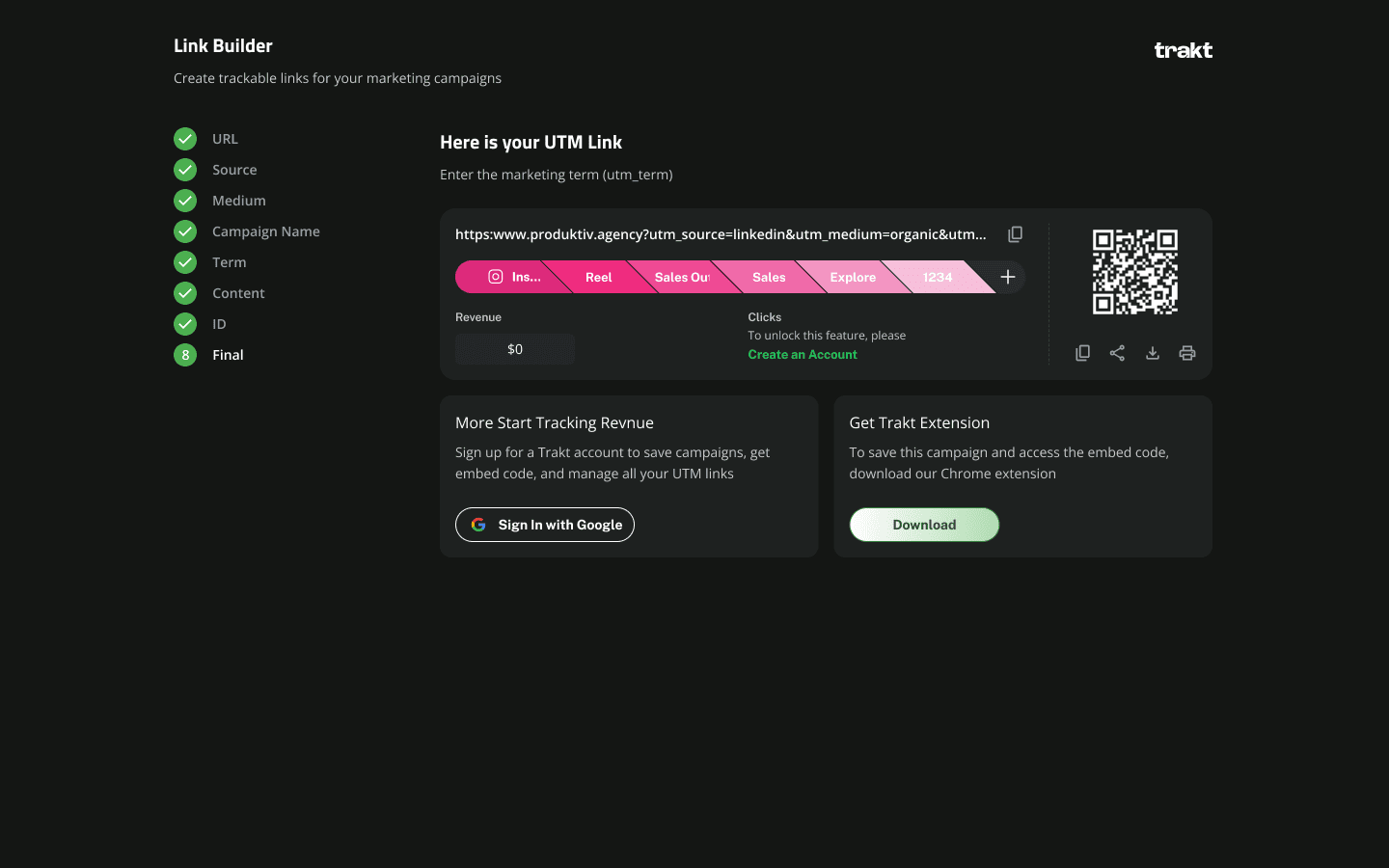
That’s why true lead tracking software lives in the middle. It tags every campaign with standardized UTMs.It injects that data into your forms automatically. It follows the lead, even if they convert weeks later. It feeds that story back to your team in plain English.
No “(Other).” No “Unknown Source.” No yelling at your CRM.
While many tools claim to offer lead tracking capabilities, not all deliver on their promises. It’s crucial to select software that aligns with your business needs.
How to Choose the Right Tool
You don’t need 47 dashboards. You need answers.
Here’s what actually matters:
First-Touch Attribution (that doesn’t break)
If your software doesn’t capture first-touch data automatically (without dev work), it’s not built for lead tracking. Period.
Real-Time Campaign Visibility
Can you see where a lead came from before it gets to the CRM? If not, you’re already behind.
Sales Feedback Loop
Lead tracking isn’t just about clicks. It’s about qualification. The right tool lets sales assign score, deal value, and confidence without jumping into a separate system.
Privacy-Safe + First-Party
Cookies are dying. The future is first-party data. Make sure your tracking respects consent and keeps you compliant.
Plug-and-Play Integration
You shouldn’t need a dev team to install tracking. Look for tools that integrate with your forms and existing stack in minutes, not months.
The Only Kind of Tracking That Matters
Not all tracking is created equal. Here’s a quick rundown:
Bad tracking creates noise.
Leads arrive labeled “Web.” Campaigns collapse into “Other.” Sales guesses where interest came from. Marketing reports on vibes instead of revenue.
Good tracking tells a story.
Every lead carries its origin with it. Attribution survives the form fill. Sales sees context before the first call. Revenue gets tied back to the moment interest began.
Once you know what good tracking looks like, the tool choice becomes simpler.
Keep It Lightweight. Keep It Clear.
Let’s be honest. You don’t need another bloated platform. You need a tool that specializes in attribution, and does it really well.
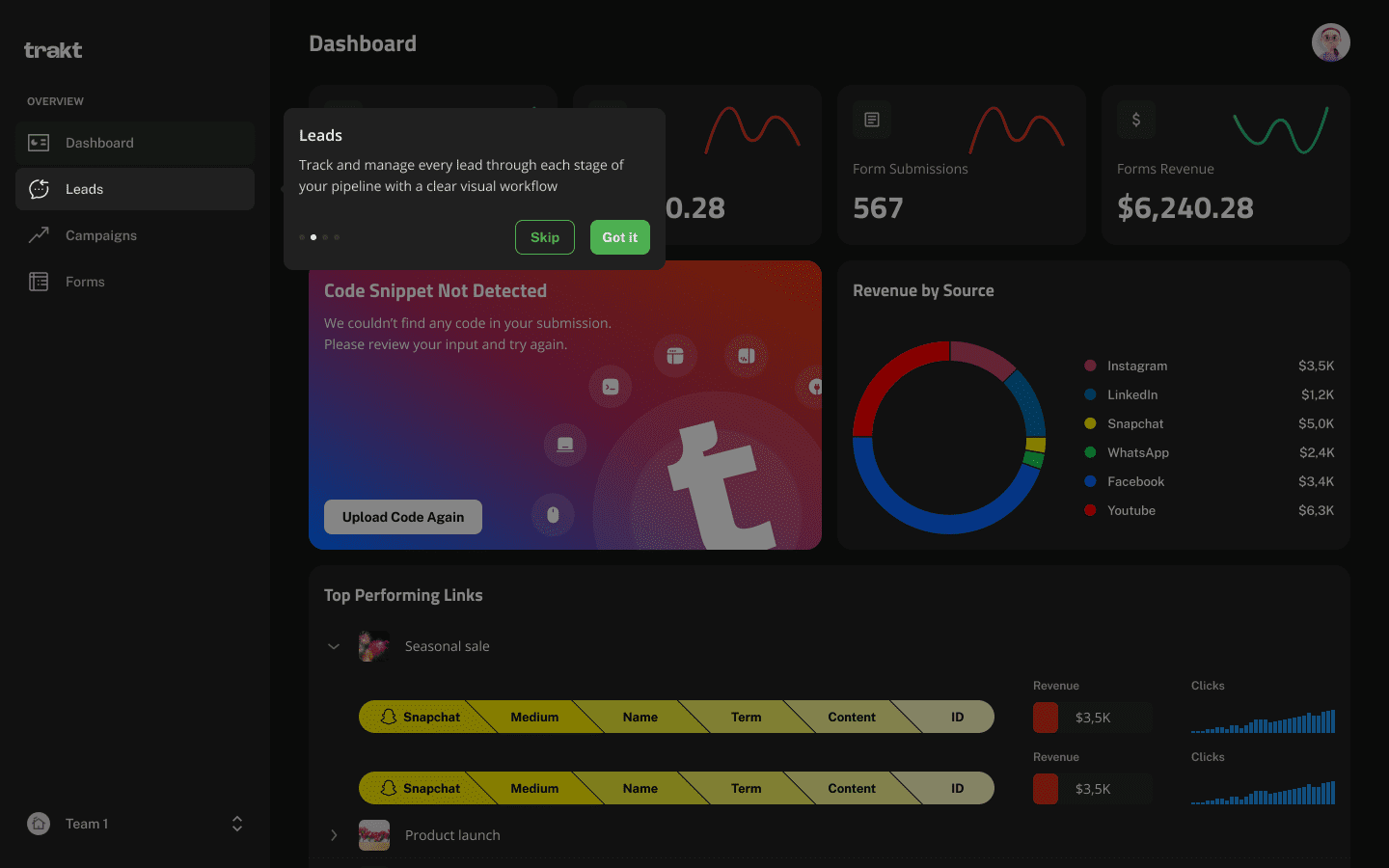
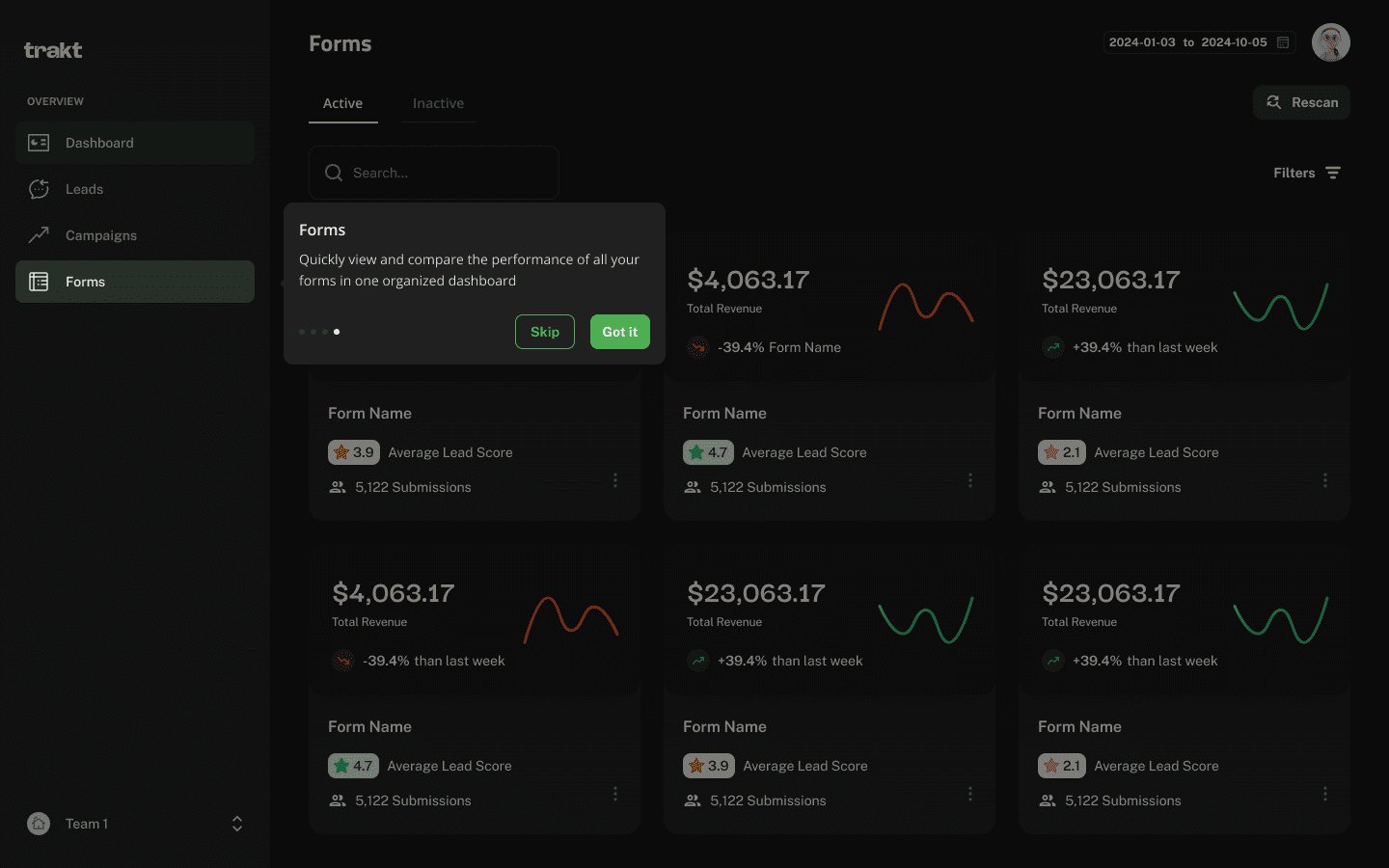
Trakt is one example of a lightweight attribution layer designed specifically for this gap.
It’s not a CRM. It’s not a marketing cloud.
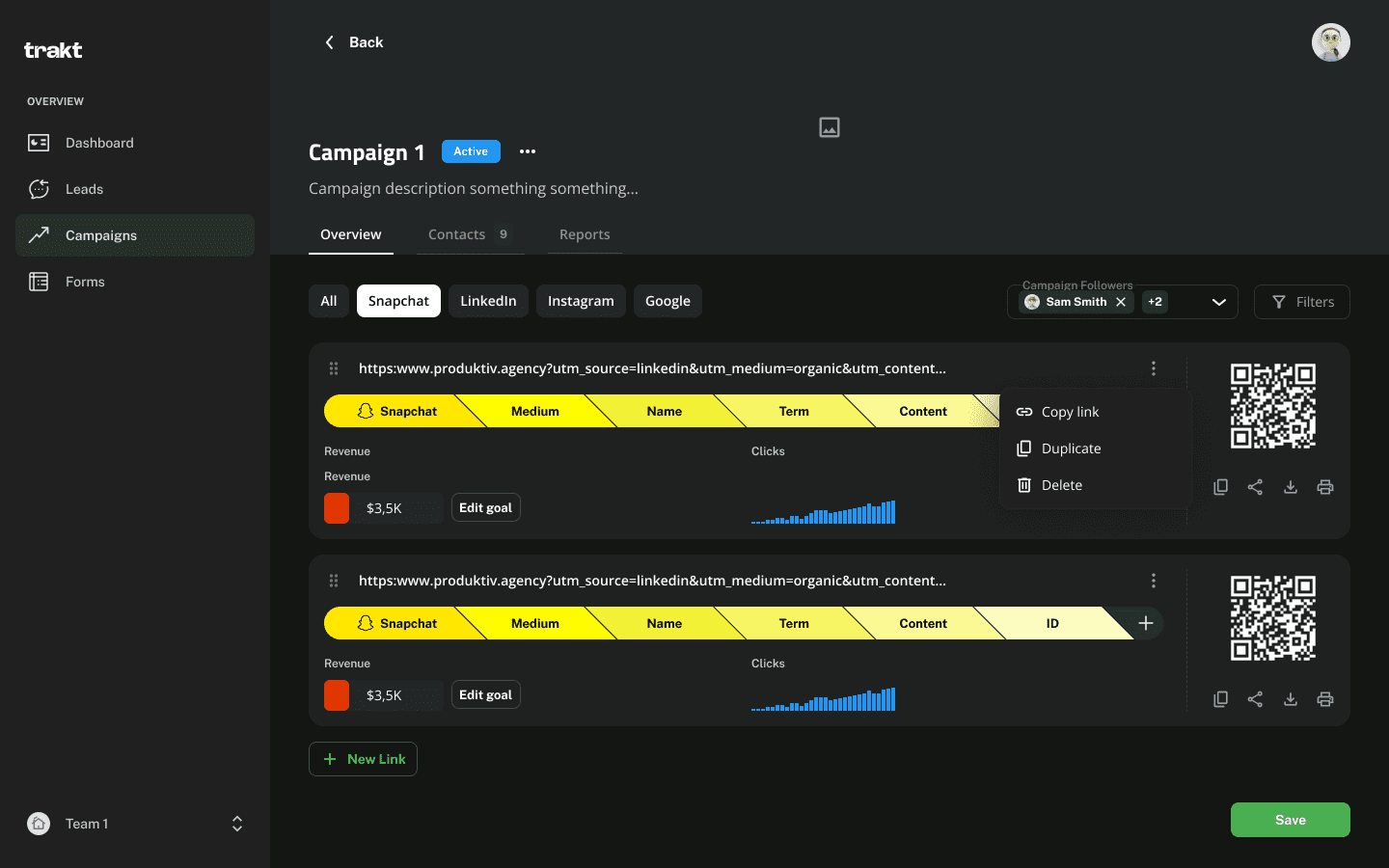
- It tracks UTMs automatically.
- It injects attribution into your forms (without dev help).
- It lets sales qualify leads right from Slack or email.
- And it ties revenue back to the original campaign.
Clean. Simple. Shared.
Real Example: How Lead Tracking Software Closes the Loop
Here’s what this looks like in practice.
A prospect clicks a LinkedIn ad promoting a product launch. The click is captured with standardized UTM parameters. When the prospect submits a form weeks later, that attribution is injected automatically.
Sales receives the lead with full context. They score it. The deal closes. Revenue is credited back to the original campaign.
No gaps. No guessing.
Final Checklist: What to Ask Before You Buy
Can it track first touch before the form is submitted? Can I install it without a dev team? Will sales actually use it to score leads? Does it integrate with my existing CRM or forms? Does it prioritize privacy and first-party data? Will it give me one clean view of what’s working?
If the answer isn’t a clear yes, move on.
Try Trakt
Lead tracking software should clarify your funnel, not complicate it.
If you can’t reliably answer where leads come from or which campaigns drive revenue, no dashboard downstream will fix that.
Tools like Trakt exist to solve this specific gap: attribution that survives the entire funnel.